Why Skills-Based Learning is Replacing Traditional Training
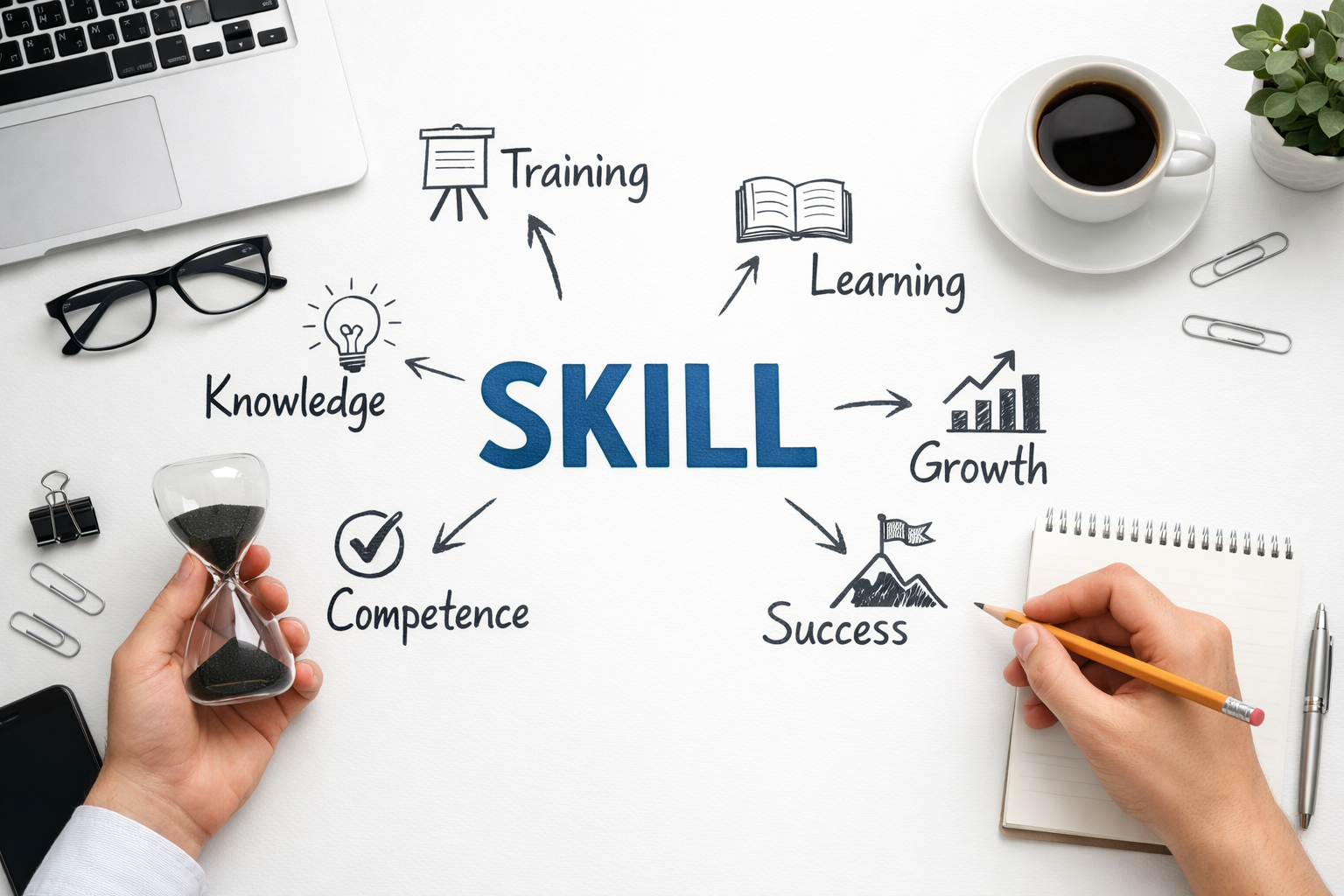
In recent years, the world of work has changed faster than ever before. Technology is evolving, job roles are changing, and new skills are becoming more important than degrees or certificates. Because of this shift, organizations are moving away from traditional training methods and adopting skills-based learning. In 2026, skills-based learning is not just a trend—it has become a necessity for both companies and employees.
Traditional training focuses mainly on theoretical knowledge, long training sessions, and generic courses that are the same for everyone. Employees attend training, complete the course, and receive a certificate, but many times they are not able to apply what they learned in real work situations. This creates a gap between learning and actual job performance. Companies are now realizing that what matters is not what employees know, but what they can do. This is where skills-based learning becomes important.
Skills-based learning focuses on developing specific skills that employees need to perform their jobs effectively. Instead of long classroom training, employees learn through practical tasks, real-world projects, simulations, and on-the-job learning. This type of learning is more practical and helps employees become job-ready faster. For example, instead of attending a long course on digital marketing theory, an employee may learn skills like running ads, analyzing campaign data, writing content, and using marketing tools.
Another major reason skills-based learning is growing is because job roles are changing very quickly. Many jobs that exist today did not exist ten years ago, and many future jobs will require new skills. Traditional education and training systems are often slow to update their curriculum, but skills-based learning programs can be updated quickly according to industry needs. This helps organizations keep their employees updated with the latest skills.
Companies are also adopting skills-based hiring and promotion. Instead of focusing only on degrees, companies are focusing on skills, projects, and practical knowledge. This means employees who continuously learn new skills have more career growth opportunities. Skills have become the new currency in the job market.
Technology is also playing a big role in the growth of skills-based learning. Online learning platforms, microlearning, AI-based learning systems, and virtual simulations are helping employees learn new skills anytime and anywhere. Employees can now learn at their own pace and choose the skills they want to develop. This makes learning more flexible and personalized compared to traditional training programs.
Skills-based learning is also more cost-effective for companies. Traditional training programs require trainers, classrooms, printed materials, and fixed schedules. Skills-based learning can be done online, through projects, or through short learning modules, which reduces training costs and saves time. Companies can train employees faster and see results more quickly.
However, skills-based learning also has some challenges. Companies need to identify the right skills, create proper learning programs, and measure skill improvement. Employees also need to take responsibility for continuous learning and skill development. But despite these challenges, the shift toward skills-based learning is growing very fast