How AI is Changing Talent Acquisition in 2026
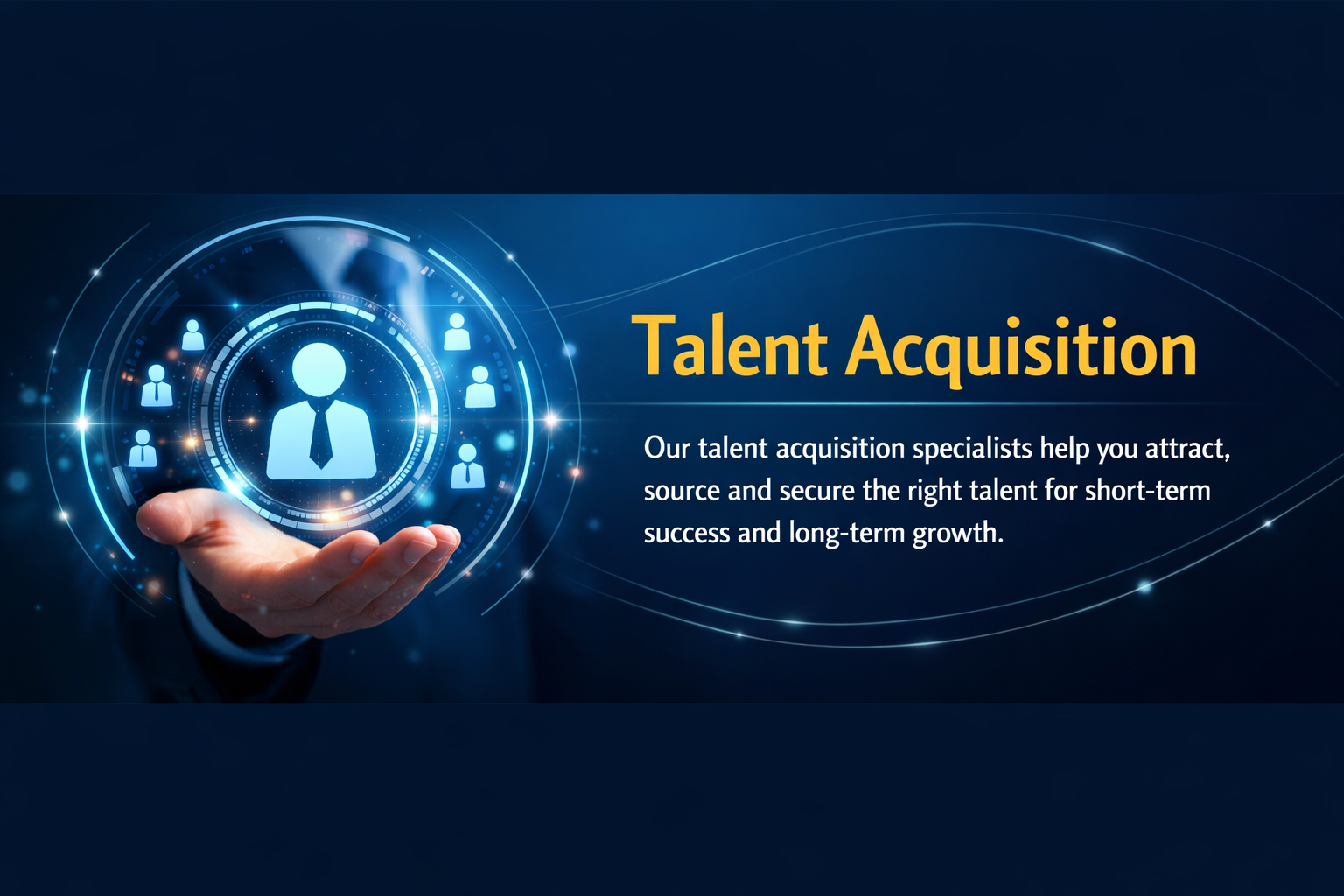
Artificial Intelligence is transforming talent acquisition in ways that were unimaginable just a few years ago. In 2026, AI is no longer just a tool used by large organizations; it has become a standard part of modern recruitment processes across companies of all sizes. The role of AI in talent acquisition is not to replace recruiters but to make recruitment faster, smarter, and more efficient. AI is helping organizations automate repetitive tasks, improve hiring accuracy, enhance candidate experience, and make data-driven hiring decisions.
One of the biggest ways AI is changing talent acquisition is through resume screening and candidate sourcing. Recruiters often receive hundreds or even thousands of applications for a single job opening, and manually reviewing each resume is time-consuming and inefficient. AI-powered recruitment systems can scan resumes in seconds and shortlist candidates based on skills, experience, and job requirements. This significantly reduces the time to hire and helps recruiters focus only on the most suitable candidates. AI can also search for candidates on job portals, LinkedIn, and professional platforms, helping recruiters find passive candidates who are not actively applying for jobs but are suitable for the role.
AI is also improving the candidate matching process. Traditional recruitment often depends on keyword matching, which may not always identify the best candidate. AI, however, uses machine learning algorithms to analyze candidate profiles, job descriptions, and hiring patterns to identify the best match for a role. AI systems can evaluate skills, experience, certifications, and even career growth patterns to predict whether a candidate is suitable for a job. This improves the quality of hire and reduces employee turnover because companies are hiring candidates who are more likely to succeed in the role.
Another major change AI has brought to talent acquisition is automation of recruitment tasks. Many repetitive tasks such as interview scheduling, sending emails to candidates, updating candidate status, and conducting initial screening interviews can now be automated using AI. AI chatbots are being used to communicate with candidates, answer their questions, schedule interviews, and provide updates about their application status. This improves candidate experience because candidates get quick responses and regular updates instead of waiting for recruiters to respond manually.
AI is also being used in video interviews and candidate assessments. Some companies use AI tools to analyze video interviews by evaluating communication skills, confidence, facial expressions, and speech patterns. AI can also conduct online assessments and automatically evaluate candidate performance. This helps recruiters identify the most suitable candidates quickly and objectively. However, companies must ensure that AI systems are used ethically and do not create bias in hiring decisions.
Predictive analytics is another area where AI is changing talent acquisition. AI can analyze past hiring data and employee performance data to predict which candidates are more likely to succeed in a role. It can also predict which employees are likely to leave the company, helping organizations take steps to improve employee retention. Predictive analytics helps companies make smarter hiring decisions and reduce hiring risks.
AI is also improving diversity and inclusion in hiring. Traditional hiring processes sometimes include unconscious bias, but AI can help reduce bias by focusing on skills and qualifications rather than personal information. Some companies use blind hiring systems where AI removes personal details such as name, gender, and photo from resumes before they are reviewed by recruiters. This helps organizations create more diverse and inclusive workplaces.
Another important way AI is changing talent acquisition is through data-driven recruitment. AI can analyze recruitment data and provide insights such as which hiring sources provide the best candidates, how long the hiring process takes, why candidates drop out of the hiring process, and which recruiters are performing well. These insights help organizations improve their recruitment strategy and make better hiring decisions in the future.
AI is also helping in workforce planning. Companies can use AI to analyze market trends, business growth, and employee data to predict future hiring needs. This helps organizations prepare for future skill requirements and build talent pipelines in advance. Workforce planning is becoming very important because companies need to ensure they have the right skills available for future business growth.
Despite all these advantages, AI also has some challenges in talent acquisition. One of the main concerns is AI bias. If AI systems are trained on biased data, they may produce biased hiring results. Therefore, companies must regularly monitor and audit AI hiring systems to ensure fair hiring practices. Another challenge is that AI cannot fully understand human behavior, emotions, and cultural fit, which are important factors in hiring. Therefore, human involvement in recruitment is still necessary.