How HR Tech is Transforming Remote Workforce Management
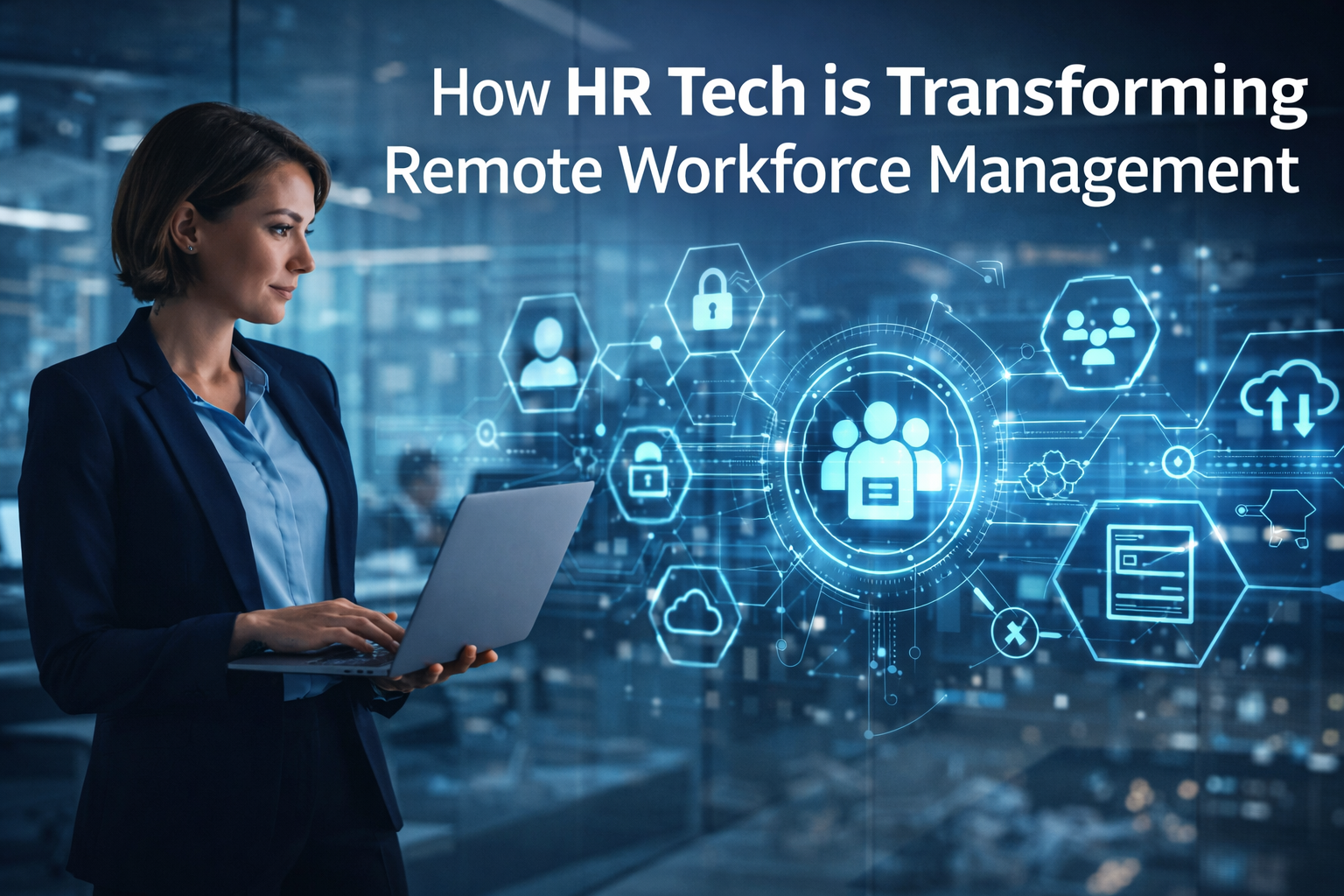
“Remote work has changed the way organizations operate across the world. What started as a temporary solution during global disruptions has now become a permanent work model for many companies. Organizations are hiring employees from different cities, countries, and time zones, creating a truly global workforce. While remote work offers flexibility and access to global talent, it also creates challenges in communication, performance tracking, employee engagement, and workforce management. This is where HR technology is playing a major role in transforming remote workforce management.
One of the biggest challenges in remote work is communication and collaboration. When employees work from different locations, it becomes difficult to maintain smooth communication and teamwork. HR technology platforms now integrate communication tools, project management systems, and collaboration platforms in one place. These tools help teams stay connected through video meetings, instant messaging, shared dashboards, and task tracking systems. Managers can track project progress, assign tasks, and monitor deadlines without physically being present in the office. This improves team coordination and productivity.
Another major transformation is in attendance and time tracking. In traditional offices, attendance was tracked through biometric systems or manual registers. In remote work environments, HR tech platforms provide digital attendance systems, time tracking software, and productivity monitoring tools. Employees can log their working hours, track tasks, and submit daily or weekly work reports through these platforms. Managers can analyze work patterns, productivity levels, and project completion rates using HR analytics dashboards.
Performance management is also changing because of HR technology. Earlier, performance reviews were conducted once or twice a year. But in remote work environments, continuous performance tracking has become important. HR tech platforms allow managers to set goals, track employee progress, provide continuous feedback, and evaluate performance based on data rather than assumptions. This makes performance evaluation more transparent and fair.
Employee engagement is another area where HR technology is making a big impact. Remote employees often feel isolated because they are not physically present in the office. HR platforms now include engagement tools like pulse surveys, feedback forms, virtual recognition programs, reward systems, and employee engagement analytics. HR teams can measure employee satisfaction and engagement levels regularly and take action to improve the remote work experience.
HR technology is also helping in remote hiring and onboarding. Companies are now conducting virtual interviews, online assessments, and digital onboarding programs. New employees can complete documentation, training, and orientation online. HR tech platforms provide onboarding portals where employees can access company policies, training videos, and important documents. This makes the onboarding process smooth and professional, even in remote work environments.
Another important area is employee monitoring and workforce analytics. HR tech platforms provide dashboards that show employee performance, attendance, engagement, and productivity metrics. These analytics help HR managers make better decisions related to promotions, training, workload distribution, and workforce planning. Instead of guessing, companies can now make data-driven HR decisions.
Payroll and compliance management have also become easier with HR technology. Remote employees may be working from different locations with different tax rules and labor laws. HR tech platforms help companies manage payroll, tax calculations, compliance, and employee benefits automatically. This reduces HR workload and ensures that companies follow legal regulations.
Cybersecurity and data protection have also become important in remote workforce management. Employees working remotely access company systems from different networks and devices, which increases security risks. HR tech platforms now include secure login systems, access control, and data protection features to keep company and employee data safe.
HR technology is not only helping companies manage remote employees but also improving the employee experience. Employees can apply for leave, check salary details, access HR policies, attend training, and communicate with HR through self-service portals. This gives employees more control and reduces dependency on HR teams for small tasks.
In the future, HR technology will become even more advanced with artificial intelligence, predictive analytics, and automation. AI will help companies predict employee turnover, identify skill gaps, recommend training programs, and improve workforce planning. Remote work is expected to grow, and HR technology will continue to play a critical role in managing remote teams effectively.”