Corporate Training Strategies
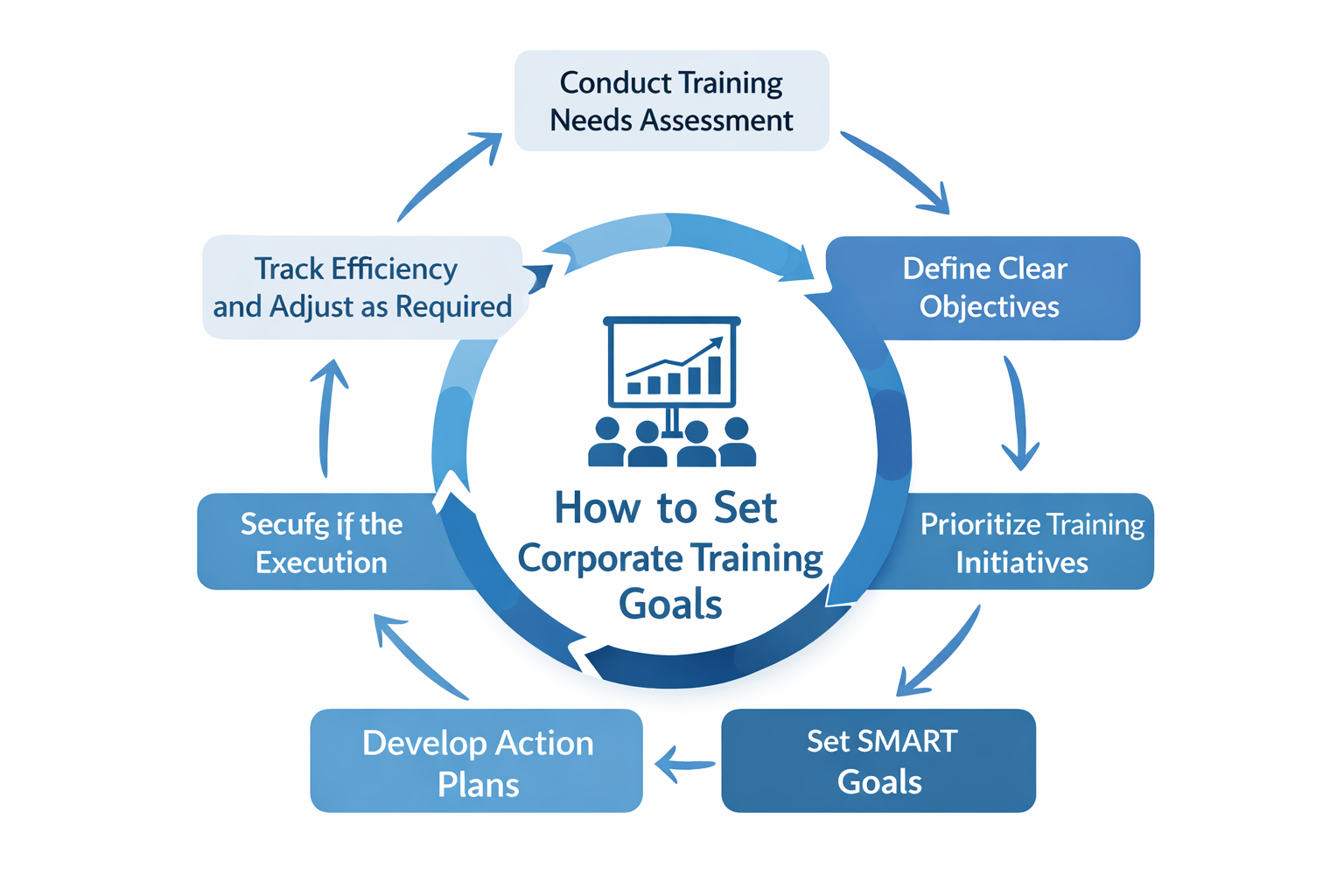
Corporate training strategies are structured plans that organizations use to improve employee skills, knowledge, productivity, and overall performance. In today’s competitive business environment, companies must continuously train their employees to keep up with new technologies, market changes, and business challenges. A good corporate training strategy helps organizations develop skilled employees, improve performance, and achieve business goals.
One of the most important corporate training strategies is skill-based training. Companies identify the skills required for different job roles and provide training programs to improve those skills. For example, technical employees may receive programming or software training, while sales employees may receive communication and marketing training.
Another important strategy is onboarding training. This training is provided to new employees when they join the company. Onboarding training helps employees understand company policies, job roles, work culture, and company expectations. Proper onboarding training helps employees adjust quickly and improves employee retention.
Leadership development training is also an important corporate training strategy. Companies provide leadership training to managers and team leaders to improve their decision-making, communication, problem-solving, and team management skills. This helps organizations develop future leaders.
Soft skills training is another key strategy. Soft skills include communication skills, teamwork, time management, problem-solving, and leadership skills. These skills are very important in every organization because they improve teamwork and workplace communication.
Companies also use technical training to train employees on new technologies, software, tools, and systems used in the organization. Technical training is especially important in IT companies, healthcare organizations, and manufacturing industries.
Online training and e-learning is a modern corporate training strategy. Many companies use Learning Management Systems (LMS), webinars, and online courses to train employees. Online training is flexible and cost-effective.
Performance-based training is another strategy where training is provided based on employee performance. Employees who are weak in certain areas are given additional training to improve their performance.
Continuous learning strategy is also important. Companies should not train employees only once. Training should be continuous so that employees keep learning new skills and improving their performance.
Another important strategy is training evaluation and feedback. Companies should evaluate whether the training program is effective or not. Feedback from employees helps companies improve their training programs.