How Cloud-Based HR Systems Are Changing HR Departments
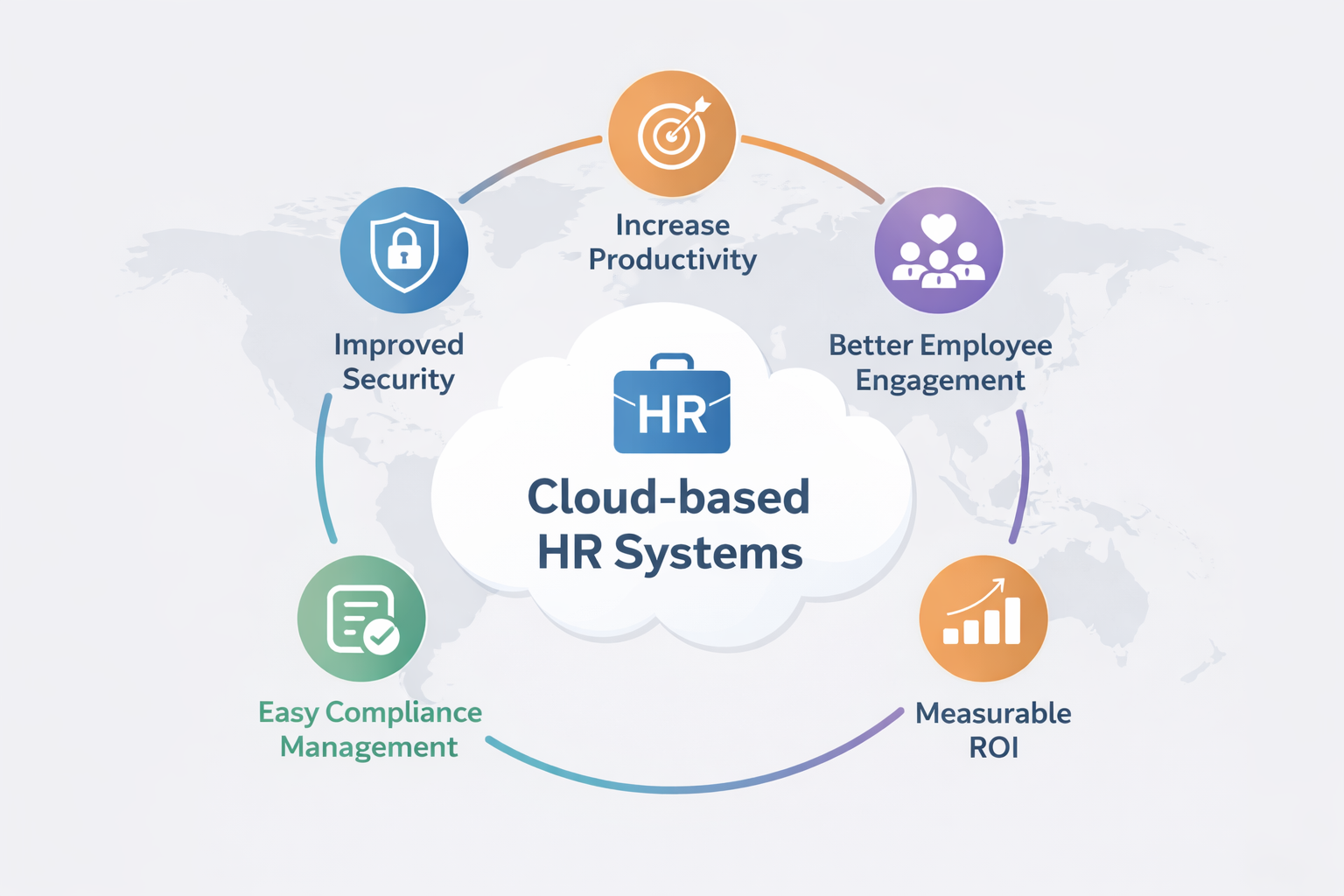
Cloud-based HR systems are transforming how Human Resource departments operate in modern organizations. Traditionally, HR departments relied on paperwork, spreadsheets, and manual processes to manage employee data, payroll, recruitment, and performance tracking. These methods were time-consuming, prone to errors, and difficult to manage as organizations grew. With the introduction of cloud-based HR systems, HR departments are becoming more efficient, data-driven, and employee-focused.
Cloud-based HR systems are software platforms that store HR data on online servers instead of local computers. This means HR teams and employees can access the system from anywhere using the internet. These systems are usually offered as Software-as-a-Service (SaaS), where companies pay a monthly or yearly subscription instead of installing expensive software.
Centralized Employee Data Management
One of the biggest changes cloud HR systems bring is centralized data management. All employee information such as personal details, attendance records, payroll data, performance reports, and documents are stored in one secure system. HR teams no longer need to manage multiple files or spreadsheets. This reduces data duplication and makes it easier to access and update employee records.
Centralized data also improves data accuracy and security. Most cloud HR systems include role-based access, which means only authorized people can access certain information. This helps protect sensitive employee data.
Automation of HR Processes
Cloud-based HR systems automate many routine HR tasks such as payroll processing, attendance tracking, leave management, and employee onboarding. Automation reduces manual work and minimizes errors.
For example, payroll systems can automatically calculate salaries, taxes, and deductions. Leave management systems allow employees to apply for leave online, and managers can approve or reject requests through the system. This saves time for both HR staff and employees.
Automation allows HR departments to focus on strategic activities such as employee engagement, training, and organizational development instead of administrative work.
Remote Access and Flexibility
Cloud HR systems allow HR teams and employees to access the system from anywhere. This is especially useful for companies with remote or hybrid work environments. Employees can log in to the system to check payslips, apply for leave, update personal information, and communicate with HR.
Managers can monitor attendance, approve leave, and review performance reports without being physically present in the office. This flexibility improves productivity and communication within the organization.
Improved Recruitment and Onboarding
Cloud-based HR systems often include recruitment and applicant tracking features. HR teams can post job openings, track applications, shortlist candidates, and schedule interviews through the system.
Once a candidate is selected, the onboarding process can also be managed through the HR system. New employees can upload documents, complete forms, and receive company policies through the online portal. This makes the onboarding process faster and more organized.
Data-Driven Decision Making
Cloud HR systems provide HR analytics and reports that help organizations make better decisions. HR managers can analyze employee attendance, performance, turnover rate, and recruitment data.
For example, HR analytics can help identify why employees are leaving the company, which departments have high absenteeism, and which employees are performing well. These insights help companies improve employee retention, productivity, and workforce planning.
Cost-Effective for Businesses
Cloud-based HR systems are cost-effective, especially for small and medium-sized businesses. Companies do not need to invest in expensive hardware, servers, or IT infrastructure. The software provider manages system updates, maintenance, and data backup.
Most cloud HR systems offer subscription pricing based on the number of employees, making it affordable for growing businesses.
Better Employee Experience
Modern HR systems include employee self-service portals where employees can access their information, download payslips, apply for leave, and track their performance. This improves transparency and reduces dependency on HR staff for small tasks.
Some HR systems also include mobile apps, chatbots, and employee engagement tools that improve communication and employee satisfaction.
Challenges of Cloud HR Systems
Despite many benefits, cloud HR systems also have some challenges. Data security and privacy are major concerns because employee data is stored online. Companies must choose trusted HR software providers with strong security systems.
Another challenge is system implementation and training. Employees and HR staff need training to use the new system effectively. There may also be resistance to change when moving from manual systems to digital systems.
The Future of Cloud HR
The future of cloud HR systems includes Artificial Intelligence (AI), machine learning, and predictive analytics. AI can help in resume screening, employee performance analysis, and predicting employee turnover.
Chatbots will be used to answer employee questions related to HR policies, leave balance, and payroll. Predictive analytics will help companies plan their workforce and identify potential HR problems before they occur.