How to Measure ROI of Employee Training Programs
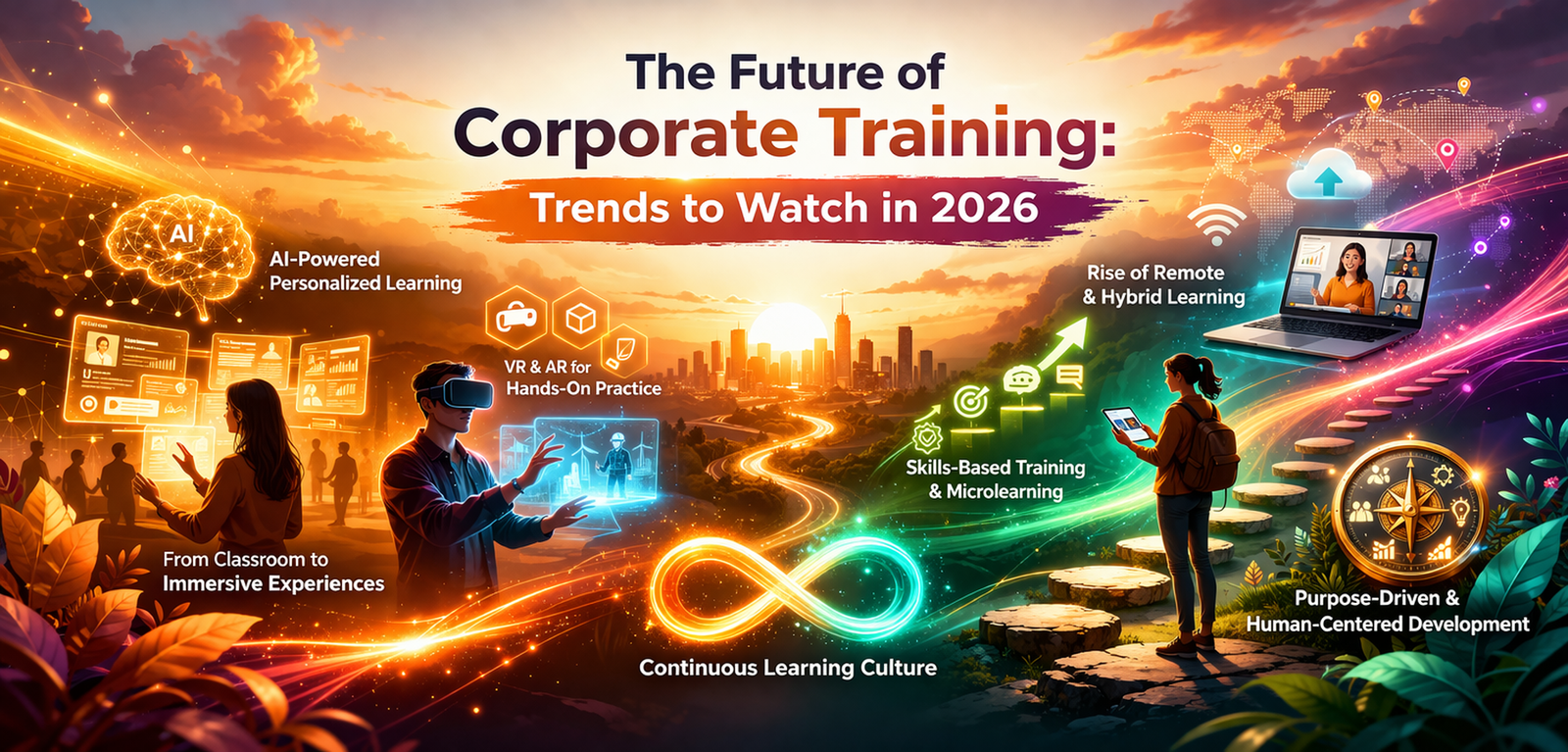
The workplace is changing faster than ever, and corporate training is evolving along with it. With the rise of new technologies, remote work, and changing employee expectations, organizations are rethinking how they train and develop their employees. In 2026, corporate training is no longer limited to classroom sessions and long presentations. Instead, companies are adopting modern, technology-driven, and employee-focused learning methods to improve performance and productivity. The future of corporate training is flexible, personalized, and continuous.
AI-Powered Learning
Artificial Intelligence is playing a major role in transforming corporate training programs. Companies are using AI to analyze employee performance, identify skill gaps, and recommend personalized training programs. This makes learning more effective because employees receive training based on their individual needs rather than a general training program. AI also helps automate assessments, track progress, and provide smart learning recommendations, making training faster and more efficient.
Microlearning
Microlearning is becoming one of the most popular training methods in 2026. Instead of long training sessions that take hours to complete, employees now learn through short, focused lessons that take only a few minutes. These lessons can include short videos, quick quizzes, or small learning modules. Microlearning improves knowledge retention because employees learn one concept at a time, and it also saves time for both employees and organizations.
Virtual Reality (VR) and Augmented Reality (AR) Training
Virtual Reality and Augmented Reality are changing how companies provide practical training. These technologies allow employees to learn in a simulated environment where they can practice real-life situations without any risk. For example, VR can be used for safety training, machine operation training, and customer service training. This type of training improves practical skills and gives employees hands-on experience.
Mobile Learning
Mobile learning is another major trend in corporate training. Employees prefer learning on their mobile phones because it allows them to learn anytime and anywhere. Many companies now provide training through mobile apps, online learning platforms, and Learning Management Systems (LMS). Mobile learning makes training more flexible and accessible, especially for remote employees.
Data-Driven Training
In 2026, companies are using data analytics to measure the effectiveness of their training programs. HR teams track employee performance, training completion rates, engagement levels, and return on investment (ROI) of training programs. This data helps organizations understand whether their training programs are successful and how they can improve them.
Soft Skills Training
Companies are now focusing not only on technical skills but also on soft skills. Skills such as communication, leadership, teamwork, problem-solving, and time management are very important in the modern workplace. Organizations are investing in soft skills training because these skills improve teamwork, leadership quality, and overall workplace productivity.
Continuous Learning Culture
One of the biggest changes in corporate training is the shift from one-time training programs to continuous learning. Companies are encouraging employees to learn new skills regularly through online courses, workshops, webinars, and certification programs. Continuous learning helps employees stay updated with new technologies and helps companies remain competitive in the market.