Microlearning: The Future of Corporate Training
In today’s fast-paced digital world, the way people learn at work is changing rapidly. Employees no longer have the time or attention span to sit through long training sessions or lengthy courses. Companies are realizing that traditional training methods are becoming less effective, and this is where microlearning is making a big impact. Microlearning is becoming the future of corporate training because it is short, focused, flexible, and more effective for modern learners.
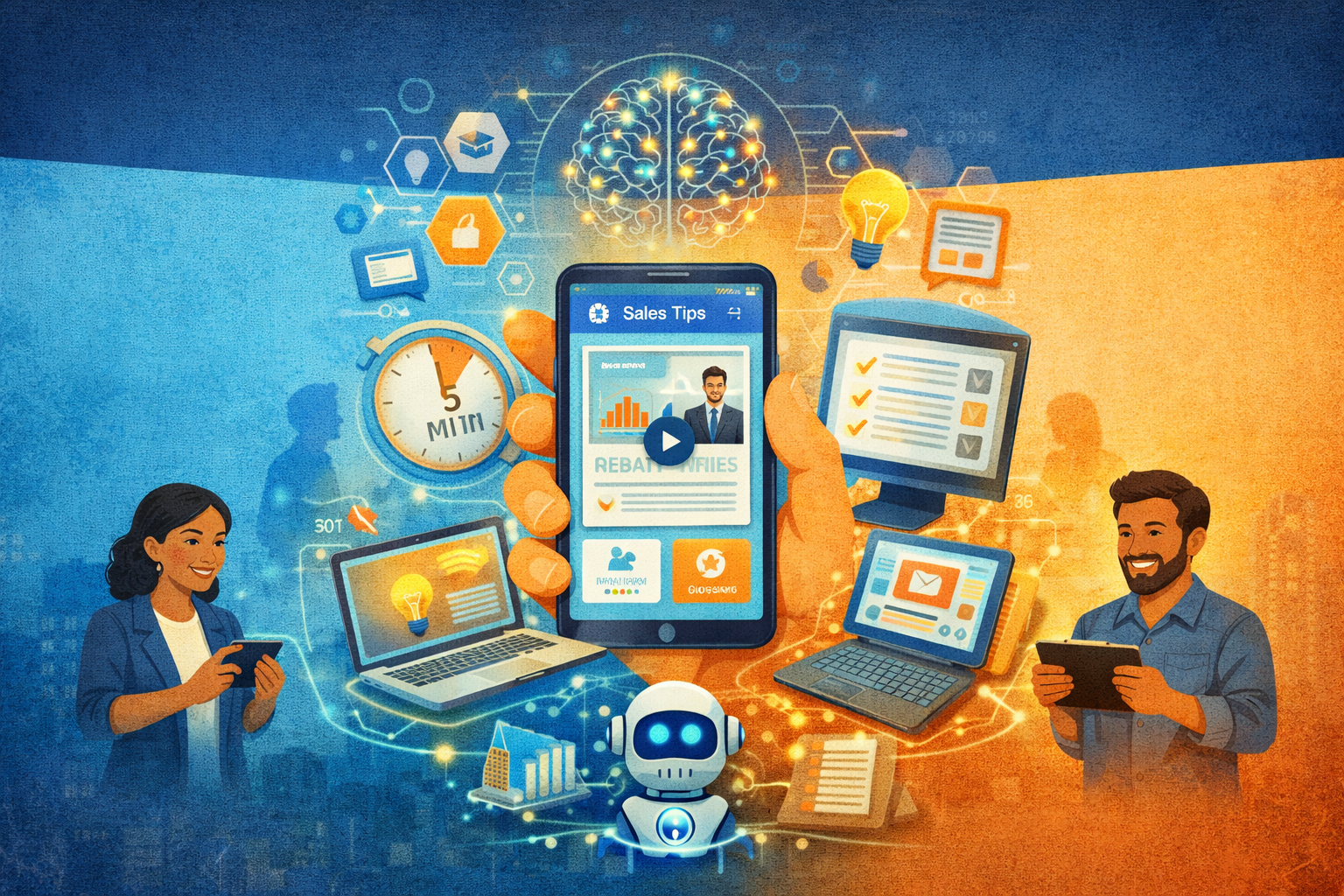
Microlearning is a training method where content is delivered in small, focused lessons that usually take 3 to 10 minutes to complete. These lessons can be in the form of short videos, quizzes, infographics, podcasts, or short reading materials. Instead of attending a full-day training session, employees can learn one small topic at a time. This makes learning easier to understand and remember.
One of the main reasons microlearning is becoming popular in corporate training is because it fits into employees’ daily work schedules. Employees can complete a short learning module during a break, while traveling, or between tasks. This flexibility makes it easier for employees to learn continuously without affecting their work productivity. Learning becomes a part of daily work instead of a separate activity.
Microlearning is also more effective because it focuses on one learning objective at a time. When employees learn too much information at once, they tend to forget most of it. But when learning is divided into small topics, it improves knowledge retention. Employees can quickly learn a concept and apply it immediately in their work. This improves performance and productivity.
Another important benefit of microlearning is that it is mobile-friendly. In 2026, most employees prefer learning on their smartphones or tablets. Microlearning modules are designed for mobile devices, allowing employees to learn anytime and anywhere. This is especially useful for remote workers, field employees, sales teams, and customer support teams.
Microlearning also helps companies reduce training costs and time. Traditional training programs require trainers, classrooms, travel, and printed materials. Microlearning can be delivered through online platforms, which reduces training costs significantly. Companies can also update microlearning content quickly whenever there is a change in process, technology, or policy.
Technology and Artificial Intelligence are also making microlearning more powerful. AI can analyze employee performance and recommend specific microlearning modules based on skill gaps. This creates a personalized learning experience for each employee. Instead of completing unnecessary courses, employees only learn what they actually need.
However, microlearning is not suitable for all types of training. Complex topics that require deep understanding still need detailed training programs. Microlearning works best for skill-based training, product training, compliance training, soft skills training, and continuous learning programs.