Smart Performance Management Systems in 2026

“Performance management has changed significantly over the last few years. Traditional performance management systems were based on annual reviews, ratings, and paperwork. Managers would evaluate employees once a year, and employees would receive feedback only during appraisal time. However, this system was slow, outdated, and did not help employees improve continuously. In 2026, smart performance management systems are replacing traditional appraisal systems with continuous, data-driven, and AI-powered performance management.
Smart performance management systems use artificial intelligence, HR analytics, and automation to track employee performance in real time. These systems collect data from multiple sources such as project management tools, attendance systems, feedback platforms, and learning systems. The system then analyzes this data and provides insights to managers and employees. This helps organizations make better decisions about promotions, training, and performance improvement. Modern systems continuously gather and analyze performance data and provide actionable insights rather than relying on periodic manual evaluations.
One of the biggest changes in performance management in 2026 is continuous feedback. Instead of annual performance reviews, organizations are now using continuous performance management systems where employees receive regular feedback from managers and peers. This helps employees improve their performance continuously instead of waiting for yearly appraisals. Continuous feedback and regular check-ins are becoming the norm in modern performance management systems.
Another important feature of smart performance management systems is data-driven decision-making. Modern HR systems provide dashboards and analytics that help managers understand employee performance, productivity trends, and skill gaps. This helps organizations make strategic decisions related to promotions, training, and workforce planning. HR is now shifting from administrative work to strategic decision-making using performance data and analytics.
Smart performance management systems also focus on employee development rather than only evaluation. In the past, performance management was mainly used to evaluate employees and give ratings. But modern systems focus on employee growth, skill development, and career planning. These systems help managers create individual development plans and provide coaching and training recommendations to employees. Modern performance management is becoming development-focused and supports continuous growth rather than just evaluation.
Another major trend in 2026 is the use of AI in performance management. AI can analyze employee performance data, identify performance trends, suggest training programs, and provide coaching recommendations to managers. AI can also help managers write performance reviews, summarize feedback, and track employee goals. However, experts say AI should support managers, not replace human judgment in performance evaluation.
Smart performance management systems also support remote and hybrid work environments. In modern workplaces, employees may work from home, office, or hybrid environments. Smart systems track performance based on outcomes and goals instead of office attendance. This makes performance management fair for remote and hybrid employees.
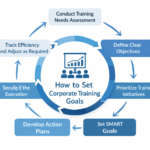
Goal management is also integrated into smart performance systems. Organizations use OKRs (Objectives and Key Results) and SMART goals to track employee performance and align employee goals with company goals. Modern performance systems integrate goals, feedback, and performance data into one platform.
Despite these advantages, there are also some challenges in smart performance management systems. One of the main challenges is data privacy because these systems collect large amounts of employee performance data. Another challenge is over-dependence on technology. Organizations must ensure that performance management remains fair and human-centered.
In the future, smart performance management systems will become more advanced with predictive analytics, AI coaching assistants, skill tracking systems, and real-time performance dashboards. Companies will focus more on employee development, skill building, and continuous feedback instead of traditional performance ratings.”