The Future of Payroll: Fully Automated Payroll Systems
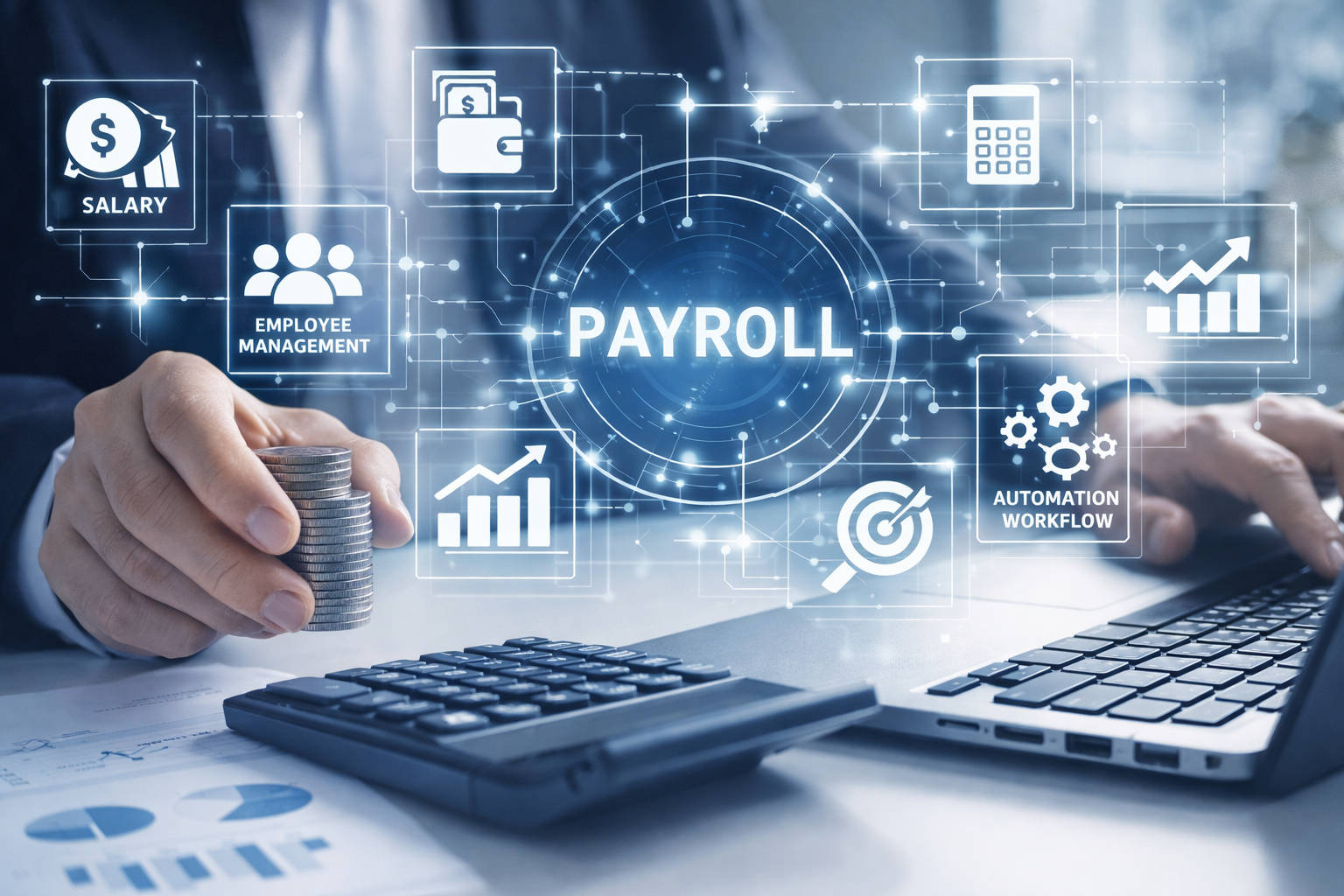
“Payroll has always been one of the most important and sensitive functions in Human Resource management. Employees expect accurate salaries, timely payments, proper tax deductions, and clear salary records. Traditionally, payroll processing was done manually using spreadsheets and accounting systems, which was time-consuming and prone to errors. However, with the advancement of HR technology, payroll systems are becoming fully automated, and this is shaping the future of payroll management.
Fully automated payroll systems use software, artificial intelligence, and cloud technology to manage the entire payroll process automatically. These systems can calculate salaries, tax deductions, bonuses, overtime, leave deductions, and other payments without manual calculation. Automation reduces errors and ensures that employees are paid accurately and on time.
One of the biggest advantages of automated payroll systems is accuracy. Manual payroll calculations can lead to mistakes in salary calculation, tax deductions, or overtime payments. Even small errors can create dissatisfaction among employees. Automated payroll systems reduce human errors and ensure accurate salary processing.
Another important benefit is time-saving. Payroll processing involves multiple steps such as attendance calculation, leave management, tax calculation, payslip generation, and bank transfer processing. Automation can complete these tasks in a few minutes, which would otherwise take many hours if done manually. HR teams can use this saved time for more strategic HR activities.
Compliance management is another major advantage of automated payroll systems. Payroll systems must follow government tax rules, labor laws, and statutory compliance such as provident fund, professional tax, insurance, and other regulations. Automated payroll systems are regularly updated according to legal rules, which helps organizations avoid legal issues and penalties.
Cloud-based payroll systems are also becoming popular. Cloud payroll systems allow HR teams to manage payroll from anywhere. Employees can access their salary slips, tax documents, and payroll information through employee self-service portals. This improves transparency and employee satisfaction.
Integration is another important feature of modern payroll systems. Automated payroll systems can be integrated with attendance systems, leave management systems, performance management systems, and accounting software. This integration allows payroll data to be updated automatically without manual data entry.
Artificial intelligence is also playing a role in modern payroll systems. AI can analyze payroll data, detect anomalies, identify payroll errors, and generate payroll reports. AI can also help organizations forecast payroll costs and budget planning.
Automated payroll systems also improve data security. Payroll data includes sensitive information such as employee salaries, bank details, tax information, and personal details. Modern payroll systems use data encryption, secure login, and access control to protect payroll data.
However, there are also some challenges in fully automated payroll systems. Companies must invest in payroll software and train HR staff to use it. There may also be technical issues such as system errors, software bugs, or internet issues in cloud-based payroll systems. Organizations must also ensure data backup and cybersecurity.
In the future, payroll systems will become more intelligent and fully automated. Employees may receive real-time salary calculations, automated tax planning suggestions, and digital payslips. Payroll systems may also integrate with digital payment systems and mobile apps, making payroll management more flexible and efficient.”