Top HR Technology Trends in 2026
Human Resource Technology (HR Tech) is transforming the way companies manage their employees, recruitment processes, and workplace culture. In 2026, technology is not just supporting HR departments but completely changing how HR works. From artificial intelligence in hiring to data-driven decision-making, HR technology is helping companies become more efficient, productive, and employee-friendly. Organizations that adopt modern HR technologies are able to hire better talent, improve employee satisfaction, and manage their workforce more effectively. This blog explores the top HR technology trends in 2026 that are shaping the future of human resource management.
Artificial Intelligence in Recruitment
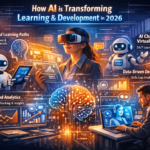
One of the biggest HR technology trends in 2026 is the use of Artificial Intelligence in recruitment and hiring. Many companies are now using AI-powered software to screen resumes, shortlist candidates, and schedule interviews automatically. AI can analyze thousands of resumes in a few seconds and identify the best candidates based on skills, experience, and job requirements. Some companies are also using AI chatbots to communicate with candidates and answer their questions during the recruitment process. This not only saves time but also improves the overall recruitment experience for both HR professionals and job seekers.
HR Automation
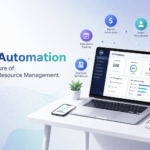
HR automation is another important trend that is changing HR operations in 2026. Many repetitive tasks such as payroll processing, attendance tracking, leave management, and employee record management are now automated using HR software. Automation reduces paperwork, minimizes human errors, and saves a lot of time for HR departments. Instead of spending hours on administrative tasks, HR professionals can now focus more on strategic activities such as employee development, training, and performance management. HR automation is especially useful for small and medium-sized businesses that want to manage employees efficiently with limited resources.
Remote Work and Global Hiring
Remote work has become very common, and companies are now hiring employees from different cities and countries. HR technology makes it easier to manage remote teams through online communication tools, virtual meetings, digital onboarding, and performance tracking systems. Global hiring platforms allow companies to hire international employees and manage payroll, compliance, and contracts digitally. This trend is helping companies access global talent and reduce operational costs. Remote work technology is expected to continue growing in the coming years as more companies adopt hybrid and remote work models.
People Analytics and Data-Driven HR
In 2026, HR decisions are increasingly based on data rather than assumptions. People Analytics, also known as HR Analytics, helps companies analyze employee data to improve decision-making. HR departments can track employee performance, engagement levels, turnover rates, and training effectiveness using data analytics tools. This helps companies identify problems early and take action to improve employee satisfaction and productivity. Data-driven HR also helps organizations plan their workforce better and reduce hiring and training costs.
Employee Experience Platforms
Employee experience has become a major focus for companies in 2026. Organizations are using HR technology to improve employee engagement, satisfaction, and overall workplace experience. Employee experience platforms allow companies to collect feedback, conduct surveys, manage performance reviews, and provide rewards and recognition programs. When employees feel valued and heard, they are more productive and loyal to the company. HR technology plays an important role in creating a positive work environment.
Cloud-Based HR Software
Cloud-based HR software, also known as HRMS (Human Resource Management System), is widely used by companies in 2026. Cloud HR systems store employee data online and allow HR teams to access information from anywhere. These systems help manage payroll, attendance, employee records, recruitment, and performance management in one platform. Cloud-based systems are cost-effective, secure, and easy to use, making them popular among both small and large organizations.
Cybersecurity in HR Technology
As companies store more employee data digitally, cybersecurity has become very important in HR technology. HR departments handle sensitive employee information such as personal details, salaries, and bank information. Companies are investing in data security measures such as encryption, secure cloud storage, and multi-factor authentication to protect employee data from cyber threats. Protecting employee data is not only important for security but also for maintaining employee trust.